
Imagine this: it’s Monday morning, you open your business account, and there it is — the email you’ve been dreading. Your payment processor has frozen your funds and deactivated your merchant account. No warning. No clear explanation. Your customers are trying to buy, your staff is at a loss, and your cash flow just hit a wall.
This nightmare scenario is more common than you think. Thousands of small businesses face sudden payment processor account closures every year, leaving them scrambling to recover funds and find new processing solutions. In this guide, you’ll learn exactly how to protect your business from these devastating disruptions.

Why Do Payment Processors Freeze Accounts?
Unexpected Transaction Volume Spikes
Your business grew faster than your processor’s risk algorithms anticipated. Suddenly, you’re processing 5x your normal volume in a week, or your average ticket size doubled. To an automated system, this looks suspicious — like fraudulent activity or a business that’s outgrown its risk profile.
The fix: Communicate with your processor before major promotional pushes or seasonal spikes. A quick heads-up can prevent an automated freeze.
Rising Chargeback Ratios
If your chargeback ratio climbs above 1% (that’s 10 disputed transactions per 1,000), you’ve entered danger territory. Most processors have strict thresholds, and crossing them triggers automatic review — often followed by immediate account deactivation.
The fix: Implement AVS (Address Verification Service), CVV validation, and clear refund policies. Respond to every chargeback with documentation.
Prohibited or Restricted Products
CBD, nutraceuticals, subscription services, adult content — certain industries are flagged as inherently higher risk by most payment processors. Processing these products through a “normal” merchant account is like playing Russian roulette.
The fix: Get a dedicated high-risk merchant account from processors who specifically underwrite your industry.
Incomplete or Inaccurate Business Information
You updated your business address, phone number, or banking info but never told your processor. Over time, profile inconsistencies make risk teams suspicious.
The fix: Keep your merchant profile current. Any significant change should be reported within 48 hours.
Terms of Service Violations
Sometimes it’s subtle — maybe you’ve been manually keying transactions (card-not-present) for too long, or you’re routing personal purchases through a business account. These violations trigger red flags.
The fix: Read your merchant agreement thoroughly. When in doubt, ask your processor’s underwriting team.
The Real Cost of a Frozen Account
The immediate problem? You can’t process payments. But the damage goes far deeper:
- Funds held for 90-180 days: Processors often withhold reserves to cover potential chargebacks during the deactivation period
- Permanent blacklisting: Some processors share underwriting data through networks, making it harder to open new accounts
- Reputational damage: Customers who tried to pay during the freeze may lose trust in your business
- Lost revenue: Downtime means customers going to competitors — permanently
Square and PayPal: Popular But Risky Choices
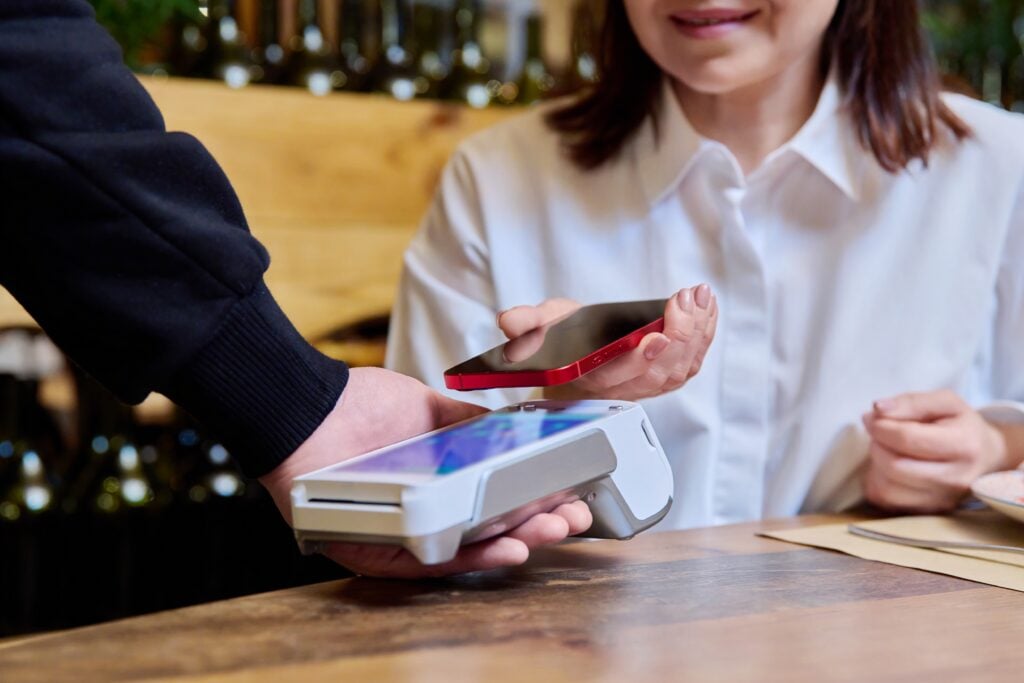
Square and PayPal dominate the SMB payment processing market for good reason — easy setup, no contracts, and instant access. But they’re also notorious for sudden account closures, especially among businesses that don’t fit their ideal risk profile.
Why they’re problematic:
- Algorithmic risk management: Both rely heavily on automated systems that lack nuance. A spike in transactions or a few customer complaints can trigger immediate action without human review.
- No dedicated underwriting: These are “merchant aggregators” — they process hundreds of thousands of businesses through a single account structure. You have no dedicated relationship manager.
- Opaque appeal process: Getting a decision reviewed often produces the same canned response from customer support.
When to avoid them:
- You’re in a regulated industry (CBD, supplements, travel, subscription billing)
- Your monthly volume exceeds $10,000 rapidly
- You have seasonal sales spikes
- You sell digital products or services with delayed delivery
- You’ve had chargebacks before
If any of these apply, you need a dedicated merchant account — not an aggregator.
Dedicated Merchant Accounts: The Stability You Need
Unlike aggregators, dedicated merchant accounts give you a unique merchant ID, a dedicated underwriting team, and transparency into why decisions get made.
1. Look for Specialized Underwriting
Seek out processors who underwrite your specific industry. A payment company experienced with restaurants will understand different risk profiles than one working with e-commerce.
2. Demand Transparent Disclosure
Your processor should clearly explain reserve requirements, funds hold periods, chargeback threshold limits, prohibited activities, and how to communicate planned volume changes. If they can’t provide these answers upfront, walk away.
3. Verify PCI DSS Compliance Support
A reliable processor will help you maintain PCI compliance, not leave you guessing. Look for built-in tools like tokenization and encrypted data handling. AGMS provides this through the NMI gateway — card data is tokenized before it reaches your server, whether you’re using a countertop terminal, mobile reader, or our WooCommerce plugin.
What to Do If Your Account Gets Frozen
Immediate Actions (Day 1-3)
- Document everything: Save all communications, check your merchant dashboard for stated reasons
- Request written explanation: Customer support’s verbal promise means nothing — get the specific violation in writing
- Secure alternative payment methods: Set up a different processor immediately
The Appeal Process (Week 1-2)
- Formal appeal letter: Write a structured letter with evidence of compliance
- Chargeback documentation: Provide proof of delivery, customer communications, refund histories
- Business verification: Submit updated licenses, bank statements, and operational documentation
Recovery Timeline
- Best case: Account unfrozen in 14-30 days with reserves
- Typical case: 60-90 day hold with partial fund release
- Worst case: Permanent closure, 180+ day fund hold
Diversify: Your Insurance Against Processor Risk
The smartest businesses don’t rely on a single payment processor. Here’s how to build redundancy:
- Primary processor: Your main payment solution with competitive rates
- Backup processor: A secondary account you only activate if needed
- Alternative payments: Accept ACH, digital wallets, or cash discount programs that reduce card dependency
Why Businesses Switch to AGMS
AGMS was built to be the opposite of Square and PayPal. Here’s what makes us different:
- Dedicated merchant account: Your own merchant ID, not shared with thousands of other businesses
- Real underwriting: We review your business model upfront so there are no surprise closures
- Dedicated account manager: A real person who knows your business — not a chatbot or ticket queue
- Transparent terms: No hidden fees, no surprise reserves, no algorithmic shutdowns
- Lower processing rates: Interchange-plus pricing that beats Square’s flat 2.6% + 10¢
- No long-term contracts: Month-to-month processing, cancel anytime
- Next-day funding: Get your money fast
- Hardware flexibility: Every terminal option — PAX, Dejavoo, Clover, SwipeSimple
Already been burned by Square or PayPal? Apply for an AGMS merchant account → Most applications approved in 24-48 hours. We’ll get you processing again fast.
Frequently Asked Questions
Why did my payment processor freeze my account?
Common reasons include unexpected volume spikes, rising chargeback ratios, prohibited products, outdated business information, or terms of service violations. Aggregators like Square and PayPal use automated systems that freeze accounts without human review.
How long does a payment processor hold frozen funds?
Typically 90-180 days. Some processors release partial funds earlier if you provide documentation proving compliance. In worst-case scenarios, holds can exceed 180 days.
Is Square safe for small business?
Square works well for very small, low-volume businesses. But once you exceed $10,000/month, operate in a regulated industry, or experience seasonal spikes, the risk of account freezes increases significantly. A dedicated merchant account through AGMS provides more stability.
How do I switch payment processors without losing sales?
AGMS handles the full transition — we set up your new merchant account, program your terminals, and cut over with zero downtime. Most merchants are live within 2-3 business days. Get started here.
What is a high-risk merchant account?
A merchant account specifically underwritten for industries with higher chargeback rates or regulatory complexity — CBD, supplements, subscription billing, travel, digital products. AGMS works with merchants across a range of risk profiles.